Women
Women
 Men
Men
 Kids
Kids


 Women
Women
 Men
Men
 Kids
Kids


If you wear contact lenses and dread spring, you are not imagining the connection. Allergy season is harder on lens wearers than on everyone else, and it comes at you from two directions at once. Pollen makes your eyes react, and the medication you take for it tends to make your lenses less comfortable.
Here is what is happening, and what can be done about it short of giving up on lenses for three months.
Why lens wearers feel it more
Airborne pollen lands on the surface of your eye and triggers an allergic response in the tissue lining the eyelid and the white of the eye. That is the itching, watering and redness. It is uncomfortable for anyone.
A contact lens adds a complication. The lens sits on the eye all day, and particles that settle on it stay in contact with the surface rather than being flushed away by blinking and tear flow. On a reusable lens, deposits also build up across the wear cycle, so a monthly lens in its third week is not the same surface it was on day one.
The result is that a mildly irritating pollen day feels considerably worse through a lens than it does without one.
The antihistamine problem
This is the part people rarely connect. Oral antihistamines, the standard treatment for hay fever, reduce secretions generally, and that includes tear production. Less tear volume means a drier eye, and a dry eye means a less comfortable lens.
So the medication that settles your sneezing can leave your lenses feeling scratchy by mid-afternoon. If your lenses have become noticeably worse since you started taking something for hay fever, that is a likely explanation rather than a coincidence.
What actually helps
Switch to daily lenses for the season
A daily lens starts with a clean surface every morning and goes in the bin at night, so nothing accumulates across a wear cycle. For a lot of wearers this is the single most effective change during pollen season, and it is easy to treat as a seasonal switch rather than a permanent one.
Shorten your wear time
You do not have to choose between all day and not at all. Wearing lenses for the morning and switching to glasses in the afternoon, when pollen counts and dryness both tend to be higher, takes the pressure off without giving them up.
Keep a pair of glasses in rotation
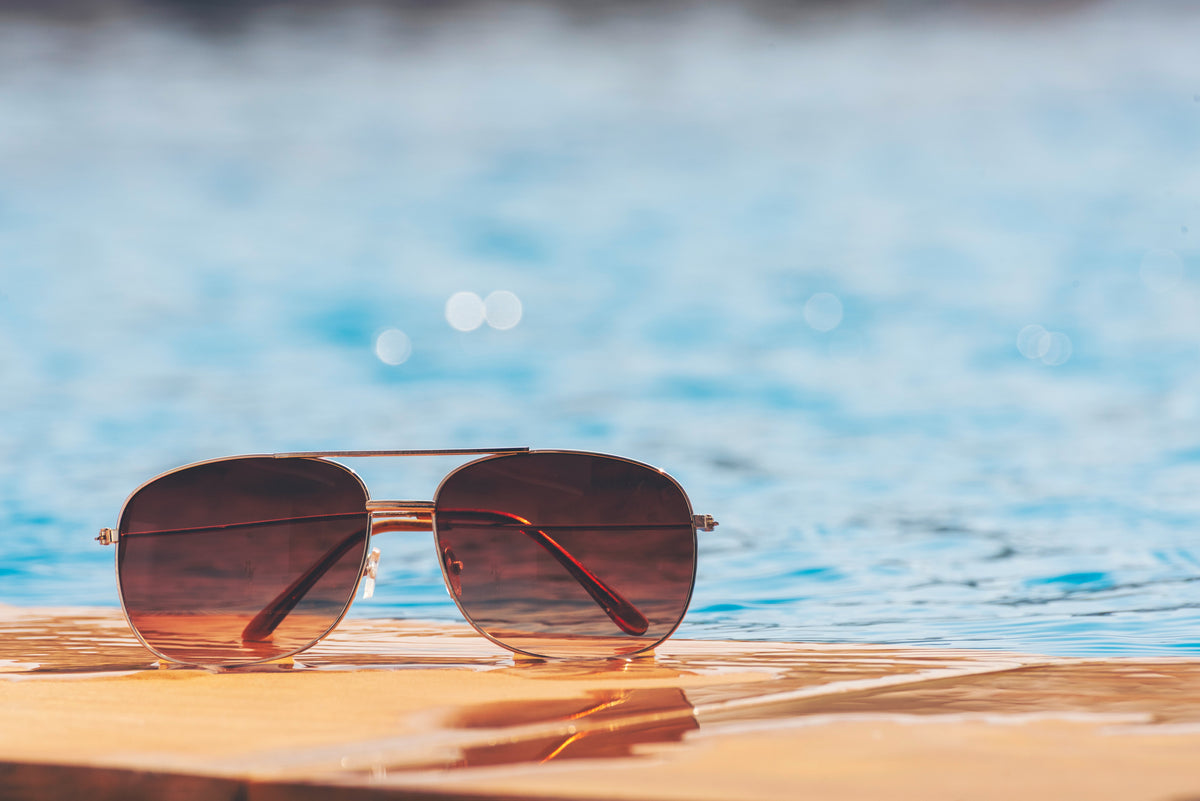
Glasses also provide a small physical barrier against airborne particles, which is a marginal benefit rather than a real one, but on a bad day the ability to take the lenses out and still see properly matters. Sunglasses do more on this front, since they cover more of the eye area and you are likely to want them outdoors anyway.
Do not rub
Rubbing an itchy eye feels productive and makes things worse, releasing more of the chemicals driving the reaction and risking moving or damaging a lens. It is the hardest advice to follow and the most consistently given.
Ask about drops, and ask specifically
Lubricating and anti-allergy eye drops can help, but not all of them are compatible with contact lens wear, and some should only be used with lenses out. This is a conversation with your optometrist or pharmacist rather than something to work out at the shelf. Tell them which lens type you wear.
When to leave the lenses out entirely
Some situations are not a comfort problem to be managed:
- Eyes that are visibly red or swollen
- Pain rather than itch
- Discharge, or lids stuck together in the morning
- Blurred vision that does not clear with blinking
- Light sensitivity
Wear glasses and see an optometrist. Allergic irritation and an eye infection can feel similar early on, and a lens should not go back into an inflamed eye.
Planning for the season
Pollen is predictable enough to prepare for. If spring is consistently your difficult stretch, ordering a supply of dailies before it arrives is easier than reacting mid-season, and gives you the option of switching by the day rather than committing either way.
Our range covers daily, fortnightly and monthly wear, all sourced and checked in Australia, with every order reviewed by a qualified optometrist or optical dispenser before dispatch. If you are weighing up a switch, our guide to caring for your contact lenses covers the practical differences between wear schedules.
The short version
- Pollen sits on the lens surface, and deposits build up on reusable lenses.
- Antihistamines reduce tear production, which makes lenses drier.
- Daily lenses are the most effective seasonal change for most wearers.
- Shorter wear time and a glasses rotation both help.
- Red, painful or weeping eyes mean lenses out and an optometrist visit.
Switching to dailies for spring?
Daily, fortnightly and monthly lenses, reviewed by an Australian optometrist before dispatch.
Shop Contact Lenses